
How to Build a Creative Space That Inspires You
CREATIVITY & INSPIRATION
Bobby Owenby
3 min read
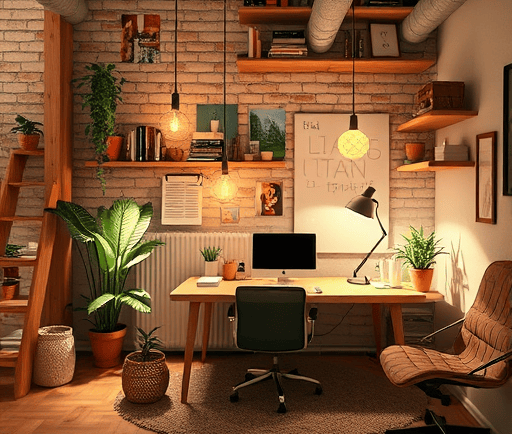
Your creative space is more than just a physical area; it’s the sanctuary where your imagination comes alive, and your best ideas take shape. Whether you’re an artist, writer, musician, or maker, having a space tailored to your creative needs can make all the difference. Here's how to design a creative haven that inspires you every day.
1. Define Your Purpose
Before you start decorating or rearranging, identify what you’ll use your space for. Are you painting? Writing a novel? Composing music? Each creative activity has unique requirements. For instance:
Writers may need a quiet nook with minimal distractions.
Artists might require open surfaces, good lighting, and storage for supplies.
Musicians might prioritize soundproofing and access to instruments.
Once you know your purpose, it becomes easier to shape the space around your needs.
2. Choose the Right Location
The location of your creative space matters. Ideally, select a spot that feels separate from the hustle of daily life. Here are some tips:
Home Studios: If you’re working at home, carve out a corner in a spare room, basement, or attic. Privacy is key.
Shared Spaces: If you can’t dedicate an entire room, use dividers or curtains to create a defined area.
Outdoor Options: If the weather permits, a backyard studio or converted shed can be a wonderful retreat.
3. Prioritize Comfort and Ergonomics
Creativity flows better when you’re comfortable. Invest in ergonomic furniture that supports long hours of work:
A supportive chair and desk setup if you’ll be seated.
Adjustable easels or workbenches for standing tasks.
Cushions, rugs, and throws to add coziness.
Remember, your body should feel at ease so your mind can wander freely.
4. Optimize Lighting
Lighting is a powerful element in any creative space. Natural light is best, but not always available. Consider:
Natural Light: Place your workspace near windows to maximize sunlight.
Task Lighting: Use focused lights like desk lamps for detail-oriented work.
Ambient Lighting: Warm, diffused lighting can create a relaxing atmosphere.
Creative Lighting: Add string lights, neon signs, or color-changing bulbs to enhance the vibe.
5. Organize Your Tools and Materials
Clutter can stifle creativity, but organization can spark it. Use creative storage solutions to keep your tools accessible:
Shelves, pegboards, and labeled bins for art supplies.
Cord organizers for tech-heavy setups.
Modular furniture that doubles as storage.
Keep your most-used items within arm’s reach and less-used materials neatly stored away.
6. Personalize Your Space
Your creative space should reflect your personality and passions. Surround yourself with items that make you feel inspired:
Artwork: Hang your favorite prints or your own creations.
Books: Keep a collection of books that ignite your imagination.
Decor: Add quirky or meaningful decor, like vintage items, plants, or crystals.
These personal touches can energize and motivate you.
7. Eliminate Distractions
A productive creative space minimizes interruptions. Here’s how:
Use noise-canceling headphones or soundproof the room.
Keep digital distractions like your phone out of sight when working.
Establish boundaries with family or roommates to respect your time.
8. Create Zones for Different Activities
If your work involves multiple creative processes, consider zoning your space:
A desk for writing or editing.
An easel or table for painting.
A comfortable chair for brainstorming or reading.
These designated areas help you shift focus as needed.
9. Incorporate Nature
Nature has a calming and rejuvenating effect on the mind. Bring the outdoors in with:
Potted plants or succulents.
Natural materials like wood and stone in your decor.
A window with a view of greenery or a small indoor fountain for soothing sounds.
10. Experiment and Evolve
Your creative space should evolve with you. Don’t be afraid to rearrange, redecorate, or try new setups. Regularly assess what’s working and what isn’t. Creativity thrives in dynamic environments.
Final Thoughts
Building a creative space is an investment in yourself and your craft. Whether it’s a corner of your bedroom or a dedicated studio, the effort you put into designing it will pay off in inspiration and productivity. Take the time to make it uniquely yours and watch your creativity flourishurs and watch your creativity flourish.